Best window cleaning robot with deep cleaning mode 2026, top picks and comparison
Compare the advertised programmes to find a window cleaning robot with a deep cleaning mode suited to your needs. This selection of models distinguishes documented features from claims that need further clarification.
Answer a few questions in 10 seconds4 questions about the 6 models in this selection
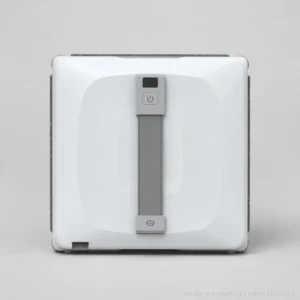
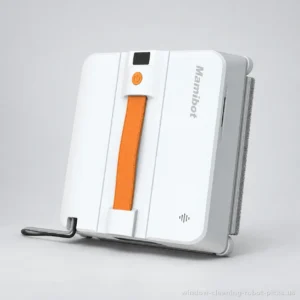
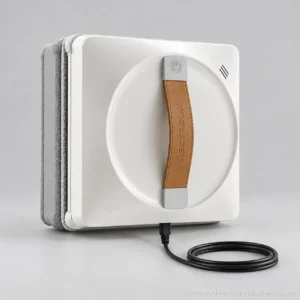
Prices collected from retailers are for guidance only: they may have changed since, the current price is the one shown by the retailer. No price is shown for models sold only on Amazon. Amounts converted from reference prices in euros using a dated exchange rate.
How we picked these models
- 6 models selected because they have the feature “Deep cleaning” according to data published by manufacturers and retailers.
- See how we rate →
- No brand pays to be included in this selection or to rank higher.
What can a window cleaning robot with a deep cleaning mode offer?
What does deep cleaning really mean for a window-cleaning robot?
None of the models in this selection has a clearly documented mode explicitly named and described as deep cleaning. To choose the best window-cleaning robot with a deep-cleaning mode, you therefore need to examine what the advertised features actually tell you.
A deep-cleaning programme should explain how it works, for example through a specific cleaning pattern, repeated passes or moisture adjustment. Without this description, a marketing label does not tell you what cleaning takes place on the glass. Likewise, having more programmes does not demonstrate a greater ability to remove dirt.
After analysing the specifications, several features nevertheless deserve your attention:
- The automatic cross-spray and bidirectional spraying on the Essentielb WCR1 Cleanbot.
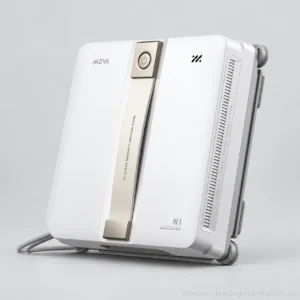
- The 120 ml tank on the Mova N1.
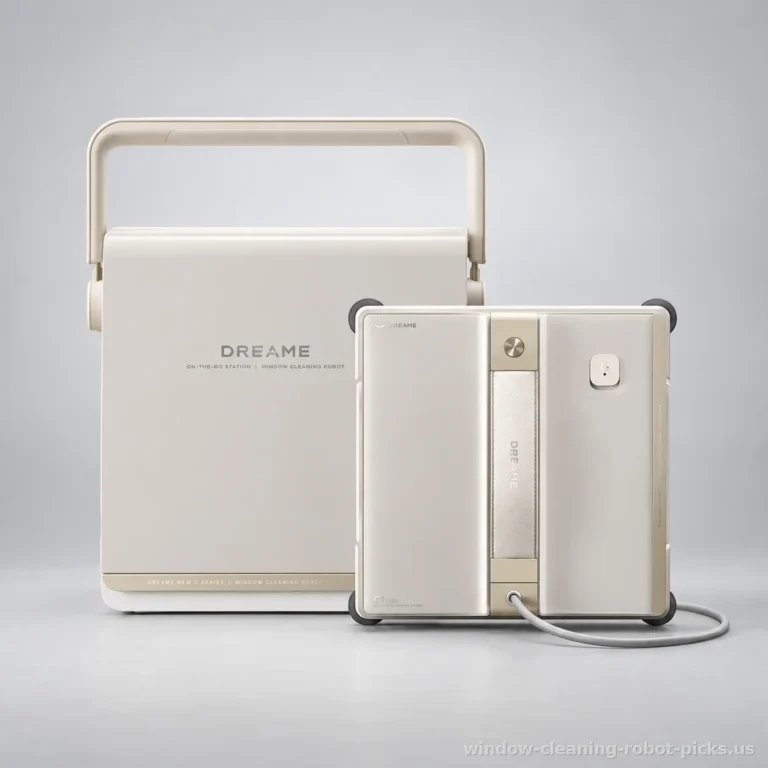
- The dual spray and CornerClean system on the Dreame C1 Station S Kit, designed for hard-to-reach areas.
These features indicate how liquid is delivered or the coverage claimed. On their own, they do not prove superior cleaning performance on dirty glass. A window-cleaning robot with dual spraying should therefore be compared across all its features, rather than chosen solely for its number of jets.
Why can a robot make regular window cleaning easier?
The main benefit is letting the robot handle the cleaning movements across a compatible surface. This type of appliance may suit you if you want to clean your windows regularly while reducing manual wiping. You still need to prepare the appliance, position it and move it between windows.
Its suitability depends more on your home than on a promise of intensive cleaning. Surfaces that are large enough and accessible enough to position and retrieve the robot are decisive factors. The Essentielb WCR1 Cleanbot, for example, requires a minimum surface size of 60 × 40 cm. A window divided into small panes therefore needs checking beforehand.
A mains-powered window-cleaning robot also requires access to a socket and space for the cable. The built-in backup battery advertised on some models should not be confused with a power supply that enables cordless cleaning.
When considering your budget, think in terms of market positioning: entry-level for essential functions, mid-range to compare useful features, and high-end if additional functions meet a specific need. An app or a station may influence your choice, but neither demonstrates better cleaning.
What limitations should you keep in mind with stubborn dirt?
Routine cleaning and restoring very dirty glass are different needs. Technical claims alone cannot guarantee results on stubborn deposits. High suction, in particular, is not enough to establish the robot’s ability to loosen dirt.
If you are looking for a window-cleaning robot for dirty glass, pay particular attention to the preparation instructions, permitted surfaces and programmes described in the manual. Manual pre-cleaning may still be necessary. The condition of the cleaning pads and compliance with the liquid instructions also matter when preparing for cleaning.
The selection on this page helps you compare documented features and identify missing information. Use these differences to choose an appliance suited to your windows and cleaning frequency, without confusing a wide range of features with a promise of deep cleaning.
How do you choose a window cleaning robot with a deep cleaning mode?
How can you identify a programme suitable for heavily soiled windows?
To choose the best window-cleaning robot with a deep-cleaning mode, look for a precise programme description. None of the selected models has an explicitly named and documented mode of this kind. A reference to intensive cleaning is therefore not enough to establish its ability to remove stubborn deposits.
Check whether the manual describes repeated passes, a specific cleaning path or spray settings. These details help you understand what the robot will actually do. The number of modes does not prove cleaning effectiveness: the 10 modes on the Essentielb WCR1 Cleanbot are not enough to establish its superiority over the Mova N1.
Ask for confirmation of what each programme does before making this feature your main selection criterion. For heavily soiled windows, plan appropriate preparation too: results on ingrained deposits cannot be guaranteed here.
Which features should you prioritise for wet cleaning and edges?
Compare how the liquid is distributed and the features designed for edges. A window-cleaning robot with dual spray deserves attention for its wetting system, but this feature alone does not demonstrate better dirt removal. Likewise, strong suction does not measure the ability to dislodge dirt.
| Model | Listed price |
|---|---|
| Essentielb WCR1 Cleanbot | Check the retailer for pricing |
| Mova N1 | Check the retailer for pricing |
| Mamibot W120-DP | Check the retailer for pricing |
| Clariva Ultra | Check the retailer for pricing |
| Dreame C1 Station S Kit | Check the retailer for pricing |
Following an analysis of the specifications, here are the key strengths of each model and the reservations to consider when choosing.
- Essentielb WCR1 Cleanbot: its automatic bidirectional cross-spray system is its main strength for wet cleaning. How its programmes work still needs to be checked to identify any enhanced cleaning path.
- Mova N1: its tank and automatic spray system are concrete features to compare. However, conflicting descriptions of its modes prevent a specific programme from being recommended for heavily soiled windows.
- Confirm these points before choosing it for deep cleaning.
- Clariva Ultra: dual ultrasonic spray, laser navigation, an app and voice guidance are advertised. These describe its features without establishing the existence of a documented intensive programme.
- Dreame C1 Station S Kit has dual jets and a CornerClean system designed for hard-to-reach areas, making it worth considering if edges matter to you. This does not guarantee perfect results in every corner.
Does your glass leave enough room for the robot?
Measure each pane and the available clearance before comparing features. The Essentielb requires a minimum surface of 60 × 40 cm. For the Mova N1, the stated minimum dimensions conflict between 30 × 30 cm and 30 × 45 cm: confirm the accepted dimensions, especially for small panes.
Also check the clearance behind handles, guards or shutters. The stated dimensions must refer to the robot itself; dimensions for a set including a station are not enough to assess this clearance.
Finally, check compatibility with the specific surface. A reference to “glass” does not establish compatibility with every type of glazing, surface treatment or frameless configuration.
How should you plan for safety and installation?
A mains-powered window-cleaning robot requires suitable access to a power supply. The Essentielb and the Mova have a built-in backup battery: distinguish this safeguard from a battery intended for cordless cleaning. For the Dreame, check the manual for details on the power supply and use of the station.
The Mova’s cord length is listed as 4.5 m and 6 m in different sections. Confirm the actual available length. Also check the safety restraints, their anchor point and whether you can retrieve the robot without putting yourself at risk.
Weight deserves attention if you need to move the device frequently. Noise level also matters if you stay in the room: choose according to your tolerance, without equating quiet operation with cleaning quality.
Which product tier suits your needs?
Prioritise features that address your constraints. At entry level, examine compatibility and spraying first. In the mid-range, look for a documented benefit in cleaning routes or settings. At the high end, assess the practical value of a station and additional controls.
An app or voice guidance can make operation easier without proving better cleaning results. Before choosing, also check the availability of cleaning pads, approved consumables and after-sales service.
Mistakes to avoid
- Equating a promise of thorough cleaning with a programme described in the manual.
- Choosing solely on suction or the number of modes.
- Overlooking minimum dimensions and conflicting specifications.
- Expecting the robot to guarantee the restoration of heavily soiled windows.
Key points to remember
The priority remains a clearly explained programme on a compatible pane. Then compare spraying, edge cleaning and installation requirements. If deep cleaning is your reason for buying, obtain a precise description of the cleaning route before deciding.
How should you prepare your windows and which liquid should you use?
What liquid can you use in a window-cleaning robot?
Use only the liquid approved in your window-cleaning robot’s manual. Automatic spraying does not mean that a household detergent is suitable for the tank. Before filling it, check the instructions for the cleaning solution, any dilution required and its application to the cleaning pad. The same precaution applies to a window-cleaning robot with dual spraying. Do not add any homemade mixture without the manufacturer’s approval.
How should you prepare a very dusty window before using the robot?
First remove accessible dust with equipment suitable for the glass, following the glass manufacturer’s recommendations. This preparation reduces the amount of dirt spread during wet cleaning. Then fit a clean pad and check the robot’s instructions for dampening it. Stubborn deposits may still require targeted cleaning beforehand. Do not lean outside to prepare an inaccessible area.
Why does a window-cleaning robot leave streaks?
Streaks can result from a dirty cleaning pad, an unsuitable cleaning solution or an incorrect level of moisture. Check these points before running additional passes. A very dirty window may also need preparation beforehand and a pad change during cleaning, as directed in the manual. The number of programmes alone does not explain the result. An additional pass with a dirty pad can spread residue again.
How should you wash and dry a window-cleaning robot’s pads?
The permitted temperature, suitability for machine washing and compatible cleaning products depend on their composition. Do not assume that all pads require the same care. Before refitting them to the robot, check that they are clean, in good condition and securely attached. Replace a damaged pad according to the brand’s recommendations.
Can you run a window-cleaning robot in direct sunlight?
Choose a time when the window is in the shade, subject to the conditions specified in the manual. A hot surface can make the liquid dry faster and cause streaks before the pass is complete. A deep-cleaning programme cannot be relied on to compensate for these conditions. Also check the temperature range permitted by the manufacturer and postpone cleaning if conditions exceed the stated limits.
Can you use a window-cleaning robot when it is raining?
Postpone cleaning an exterior surface exposed to rain unless the manufacturer explicitly permits it. Compatibility with glass does not establish that the appliance and its connections can withstand the weather. For the interior surface, check that the setup stays dry and complies with the manual. With a mains-powered window-cleaning robot, protect electrical connections from any exposure to water and follow the instructions for the cable and retrieving the appliance.
How should you store a window-cleaning robot between 2 uses?
Store the robot clean and dry after switching it off and unplugging it according to its manual. Remove the pads for separate care and follow the instructions for any liquid remaining in the tank. Inspect the cable and safety accessories before storing them without putting them under strain. Follow the battery storage instructions, especially if you expect a long period without use.